2025 Recap: Part II
Q1: The bad omens

I had two high-level goals for Nine Ten heading into 2025: to secure sales representation for our books in Canada, and to get our books into the U.S.
The former I somehow managed to set up at the very end of 2024, and that just felt like a setup for a banger of a new year. If only I'd known...
The latter I had a loose plan for. More on that in a sec.
First, we need to talk about February, 2025. In February, 2025, our fourth book was released. Quilting was our first, and only to date, quilting title, by Halifax author Andrea Tsang Jackson.
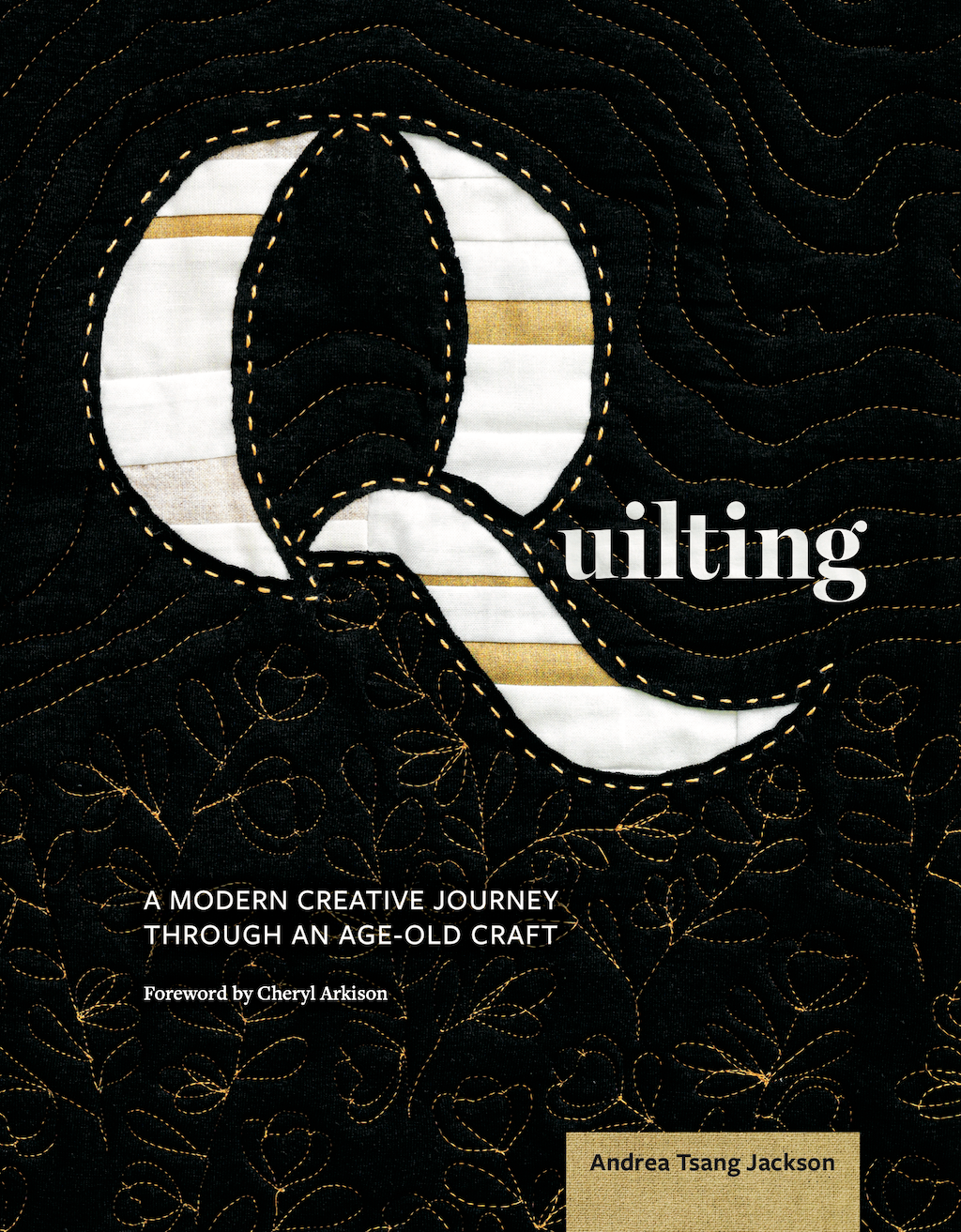
I love this book down to the marrow of my bones, because I love a creativity manifesto, and that's what this book starts with, right in the first pages. The book is gorgeous and it invites quilters to play.
Andrea is an established and active designer and instructor in the modern quilt community, and we planned from the start to time release of the book so we could launch it at QuiltCon—the big conference of the Modern Quilt Guild that was held in Phoenix, AZ, in February of this year.
I had been advised by an established craft publisher that a book signing at an event like that might move a case of books (there are around 26 copies of Quilting in a case). I sent four cases of books to the show, because my gut said otherwise. (My gut was right—no books remained at the end of the show.)
As with all of Nine Ten's full-colour books, production of Quilting was financed by a Kickstarter campaign. So in advance of the release date, and in a rush to get it done before travel to Phoenix, I had about 550 packages to send to backers of the campaign, each containing at least one copy of the book and some also containing other rewards exclusive to the campaign, like fabric bundles or quilt patterns.
On Saturday, February 1, a couple friends came over to help me start packing shipments. We had snacks. We had great conversation. It takes a village.
In the afternoon, I took the dog around the block and checked my phone for the first time in a while. Which is how I learned that Trump had announced tariffs.
By the time I got back to my living room, I was in a spiral. As my friends kept chatting and packing, I sat and read about tariffs. I started to imagine worst-case scenarios. What if people in the U.S. rejected delivery of their books because of high duties charged, and came to me for a refund? The money from the Kickstarter had already been spent to produce the book. It was the first real threat I'd ever felt to my progress getting Nine Ten off the ground.
I spent the rest of that day no longer packing books, but crafting (what would end up being the first of many this year) an email to our backers about the situation and potential pitfalls. I didn't know then that 2025 would become a year punctuated by crisis communications.
Of course, the tariff didn't go into effect immediately and all of my U.S-bound shipments were received without a hitch. But from that point, everything changed.
No longer was I terribly thrilled to have planned to launch the book in the U.S. Without American distribution, and knowing that tariffs would go into effect in early March, I knew it was possible those four cases of books might be the only ones ever made available to customers south of the border.
I had always assumed that exporting to the U.S. would be a significant part of my business, because the market there is so much bigger than the market in Canada. And also, Canada doesn't know what to do with a niche publisher and the U.S. absolutely does know what to do.
Which brings me back to my goal of working toward securing U.S. distribution for our books.
Many months earlier, I had decided that the company in the U.S. I wanted to work with someday was Microcosm, which considers a small press for distribution when they've released five or more titles. Not only did I get the strong impression that our values are aligned and that they really know what they're doing with niche titles and niche presses generally, the only book about publishing I'd found useful in any way was written by the company's founder and CEO, Joe Biel.
Royalties management is one of the biggest pain points for publishers, because it's wildly complicated, and I had discovered early on that most royalties management software options are priced for massive businesses. Like, no dude, my tiny startup press will never be able to afford a five-figure software license.
Microcosm (see my point about aligned values), however, has made their in-house royalties management system available as a web-based platform at extremely affordable rates. So I tried out using it.
I hit a bug—to be expected with a program that, at the time, was in beta—so I got in touch with the folks there. That led to conversations about all kinds of things, Joe was pulled into them, and eventually I found myself chatting with him and Elly somewhat regularly about publishing.
In March, after Quilting had launched and I was able to really sit and take stock of the nascent days of the trade war, I realized that maybe I would have to toss my U.S-distribution plan and pivot. At least now I had folks I could ask about this, so I emailed Joe and asked if, given the tariff situation, he would even consider taking on a Canadian press for distribution, as I'd planned to apply for this when our fifth book came out in the fall. He replied asking me to just send him my books. Not what I expected, but I got those books in the mail right away.
Microcosm took our books on a trial wholesale basis—if the books sold well, they'd consider taking us on for full sales and distribution. This was a big deal, obviously, and in no small way because I'd planned to submit our books in September; this was six months earlier. In late March I shipped eight boxes of books to Microcosm's warehouses.
For the first time, I'd be able to let Americans know that they could order our books directly from Microcosm for better shipping than I could offer from Canada, with the added bonus that Microcosm ships globally. As well, for the first time, shops south of the border could wholesale our books from a U.S-based company.
There's one more thing that publishing our fourth book would open up to us: Having four books out, among other things, is a criterion for membership in the Association of Canadian Publishers, the trade organization of independent publishers. I'd been a member of U.S-based trade orgs PubWest and later IBPA for a while already—all you do to join those orgs is enter your info and pay your money. First thing in March, I spent half an hour filling out the ACP's application and hoped they'd accept me quick, as the trade war was ramping up and I was so relieved I'd finally have access to industry news and updates from the Canadian trade.
This brings us to the end of Q1, 2025. As a tally: I had one book release timed almost perfectly with a serious possible derailment of cross-border shipping; I had one giant leap toward our books becoming available outside of Canada; and I was on the precipice of finally having access to the most important publishing trade organization in Canada.
Any predictions for what Q2 would bring?